Blog
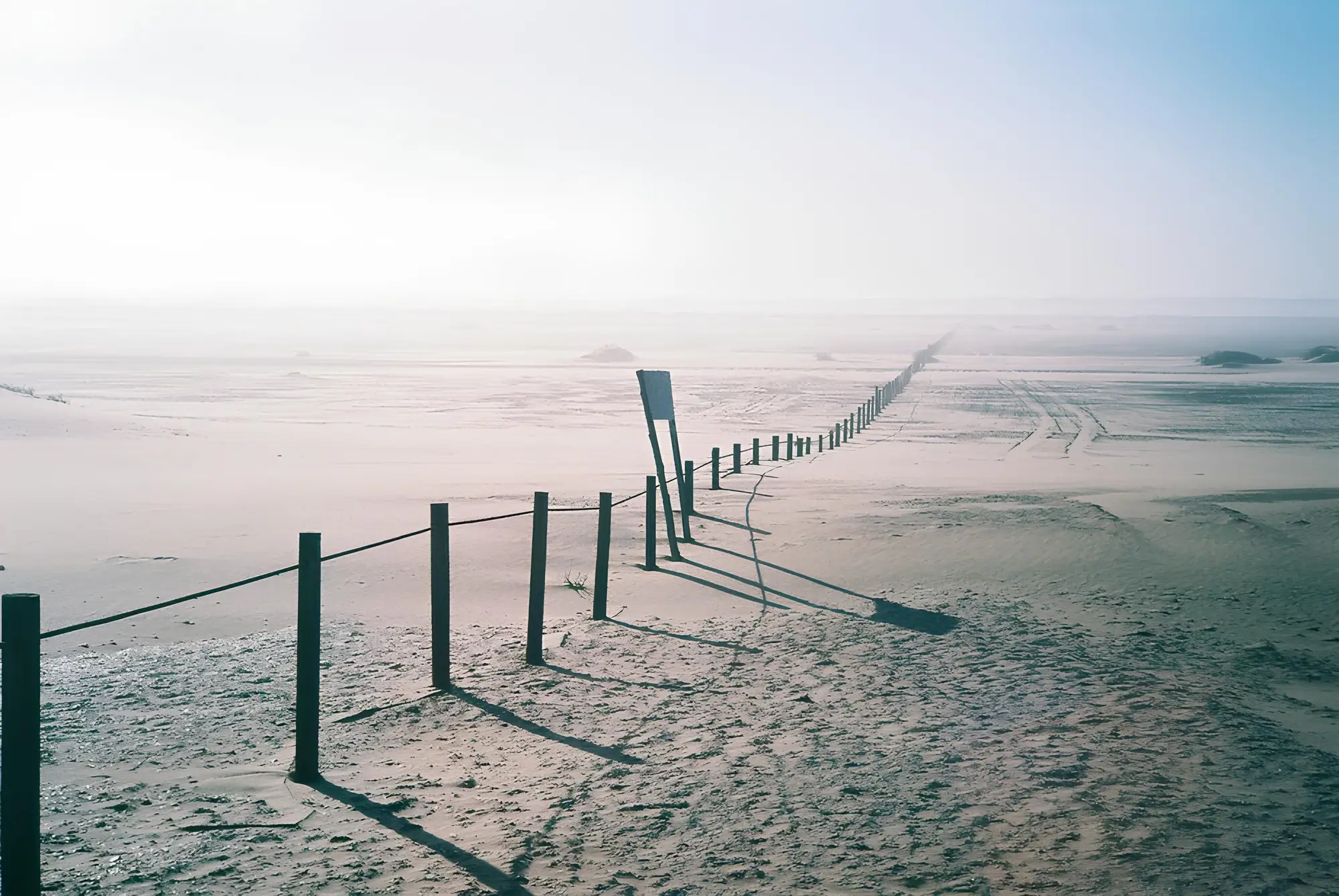 Field notes: the dust storm that erased three weeks of fence-line photos
A watch-desk notebook entry on a three-week dust event that blanked out fence-line imagery, and what the backfill taught us about gaps.
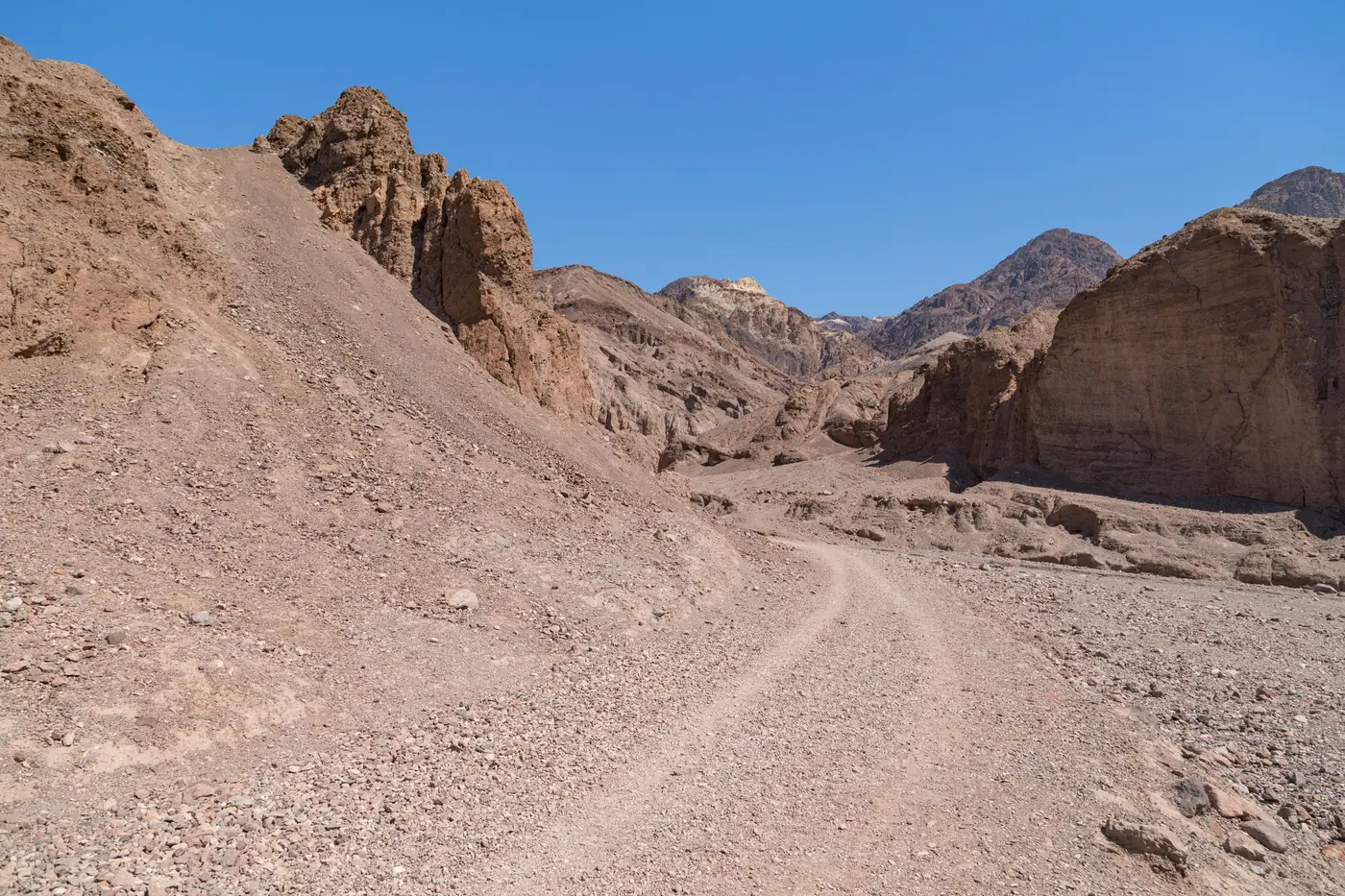 What a funnel point is, and why it gets first look on the daily pass
Terrain narrows where crossings funnel along a boundary line. Why a watch desk checks these chokepoints first on every daily imagery pass.
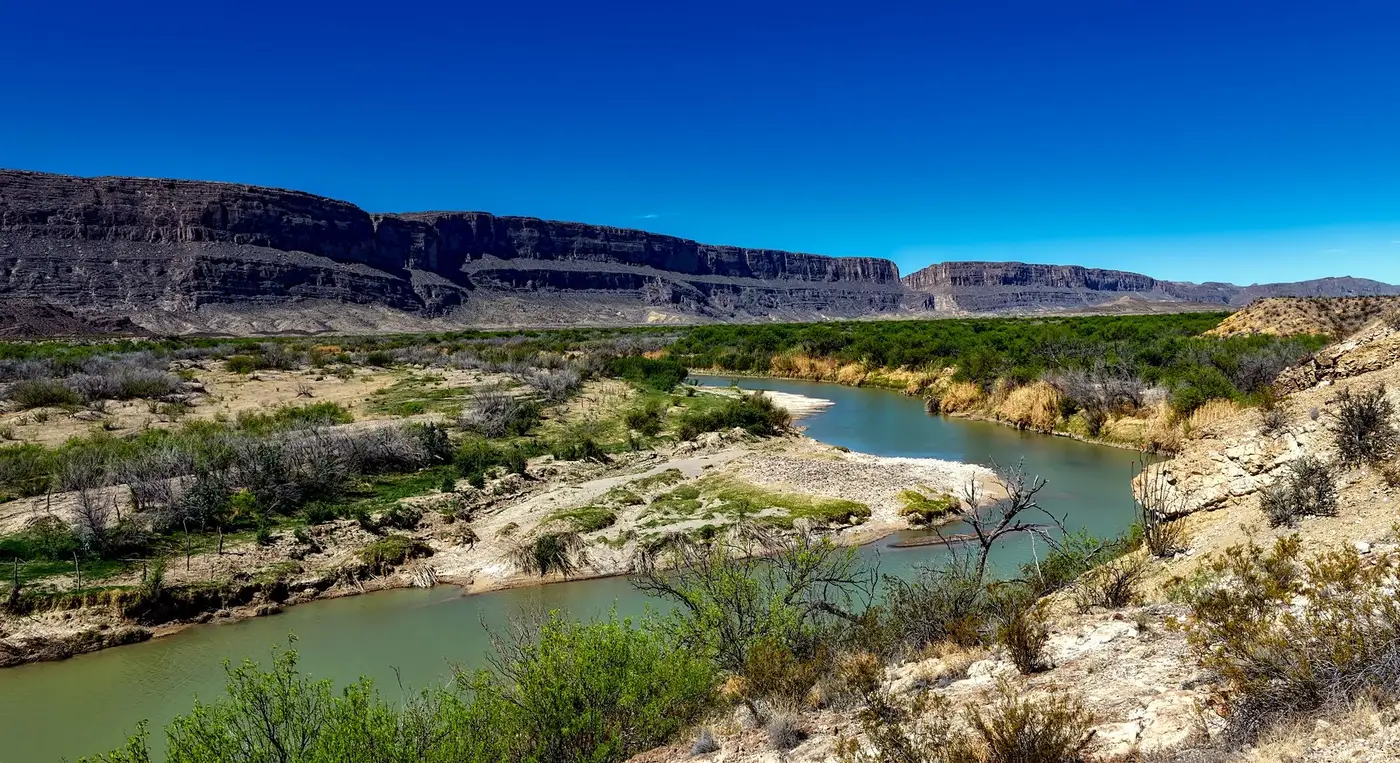 Frontier incident log vs. daily imagery change log: what's the difference?
A frontier incident log tracks patrol encounters. A daily imagery change log tracks what moved on the ground. What each one covers, and what it misses.
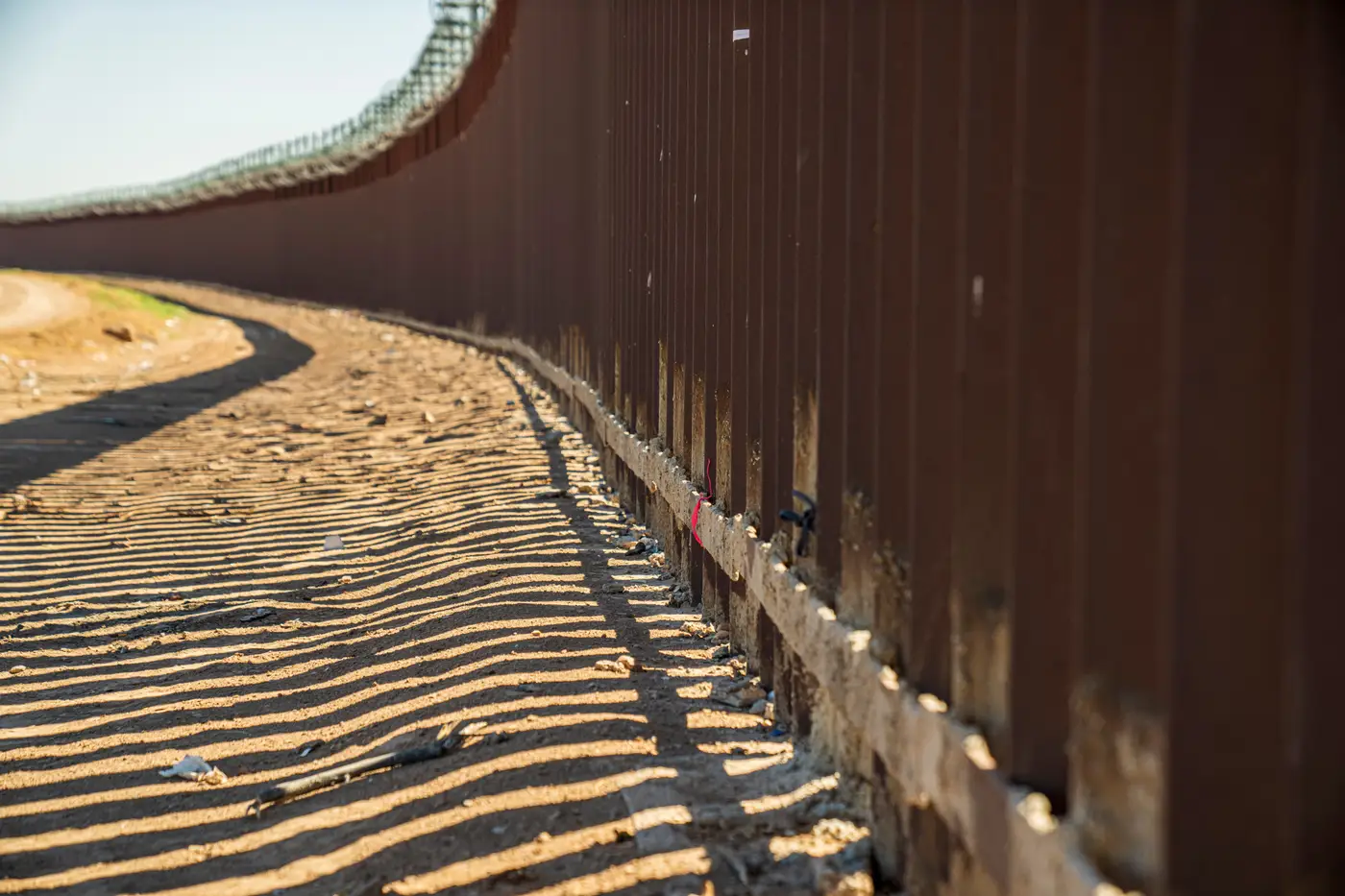 What is a sterile zone in border fencing, and why does a watch desk track it?
A plain explanation of the sterile zone between border fences, what counts as a change inside it, and why a watch desk reviews that strip daily.
- Field notes: the week the river moved and the boundary line didn't
A watch-desk read on thalweg shifts, accretion vs. avulsion, and why a moved river doesn't always move the boundary.
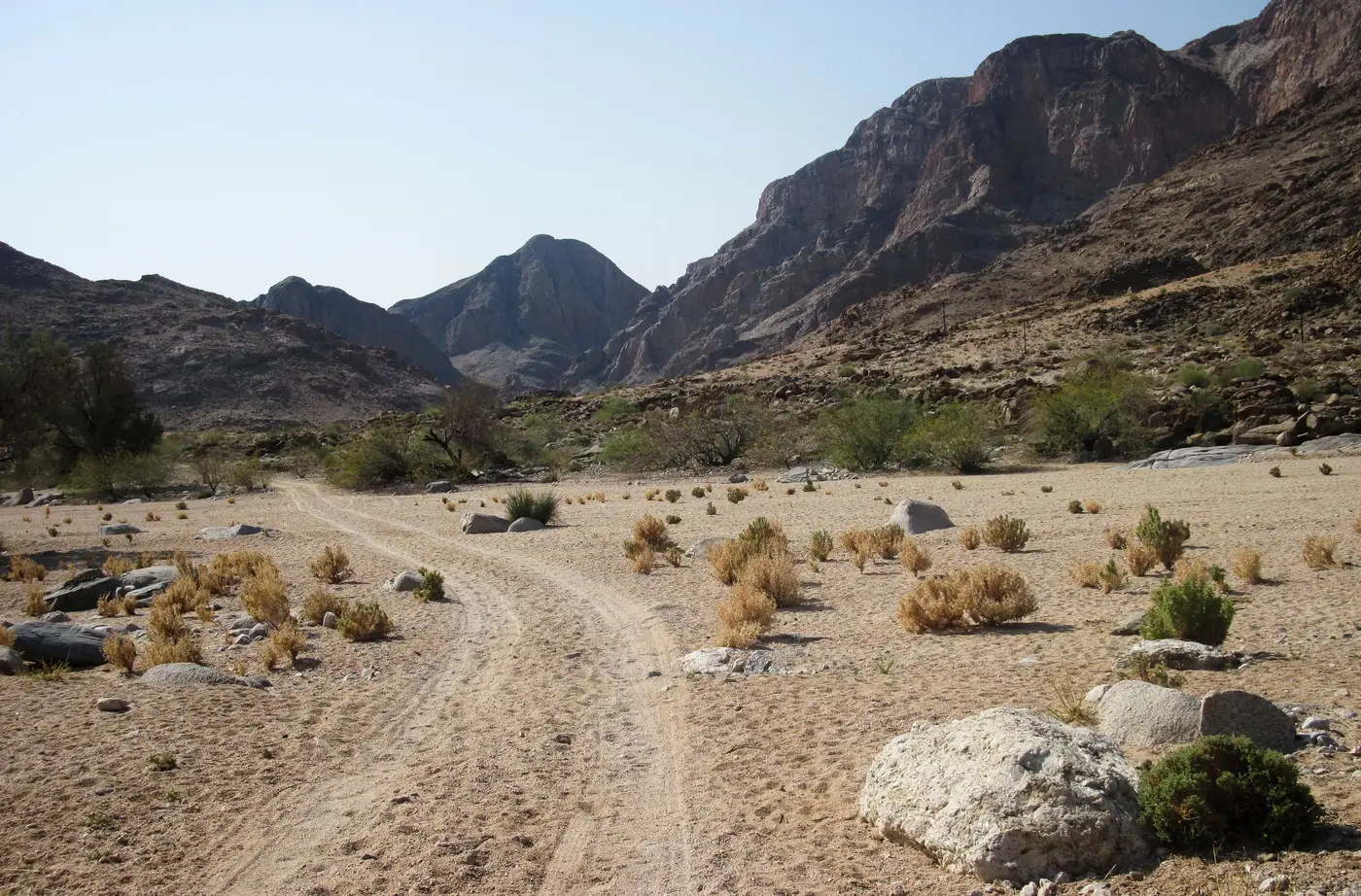 Herding season or a crossing attempt? Reading livestock tracks in VHR imagery
How to separate seasonal herding movement from a staged crossing attempt using track geometry, timing, and herd behavior in VHR satellite imagery.
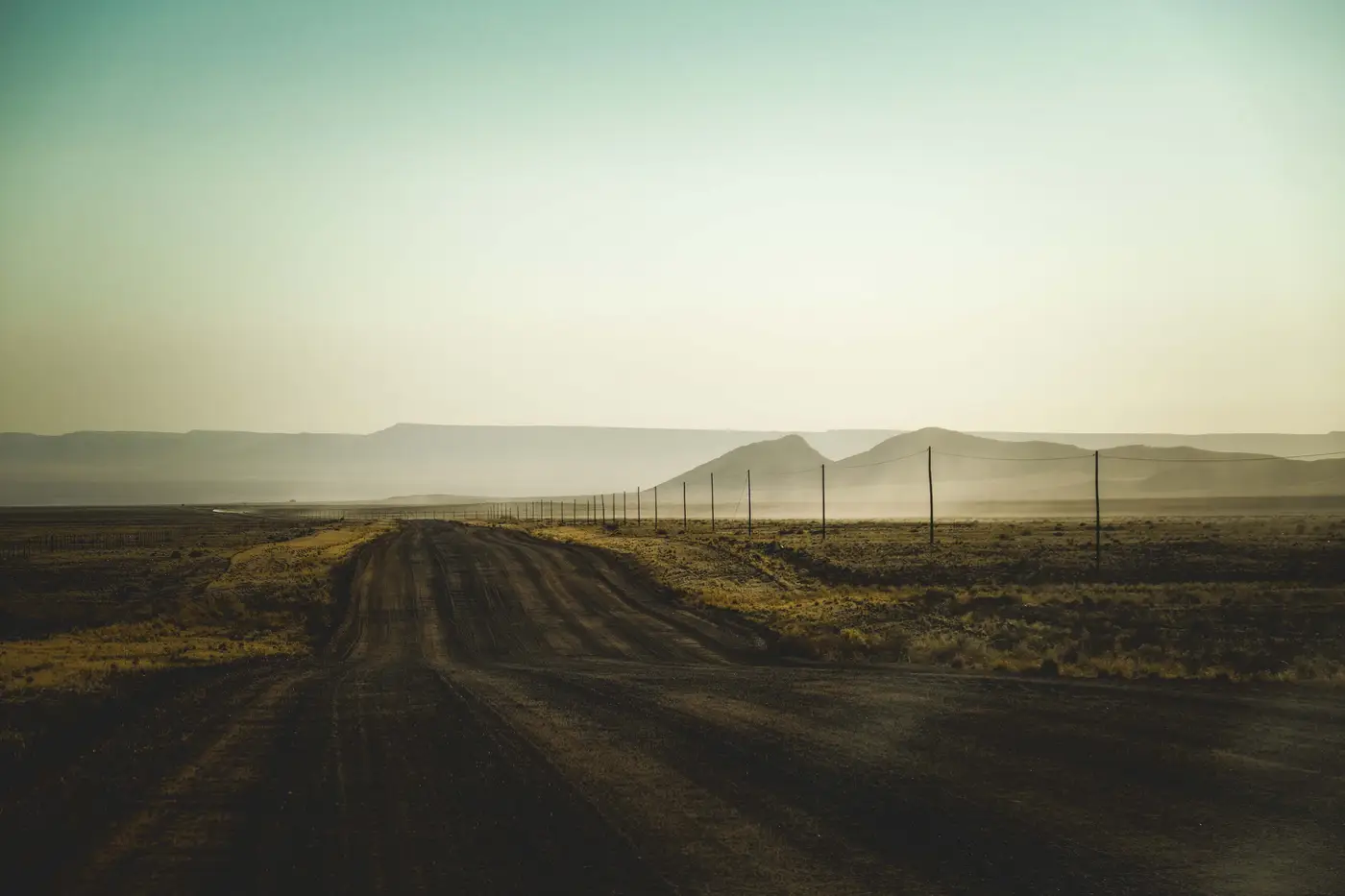 Daytime optical vs nighttime thermal for spotting border crossings
Daytime VHR optical and nighttime thermal catch different parts of a border crossing. Here's what each shows a watch desk, and where they overlap.
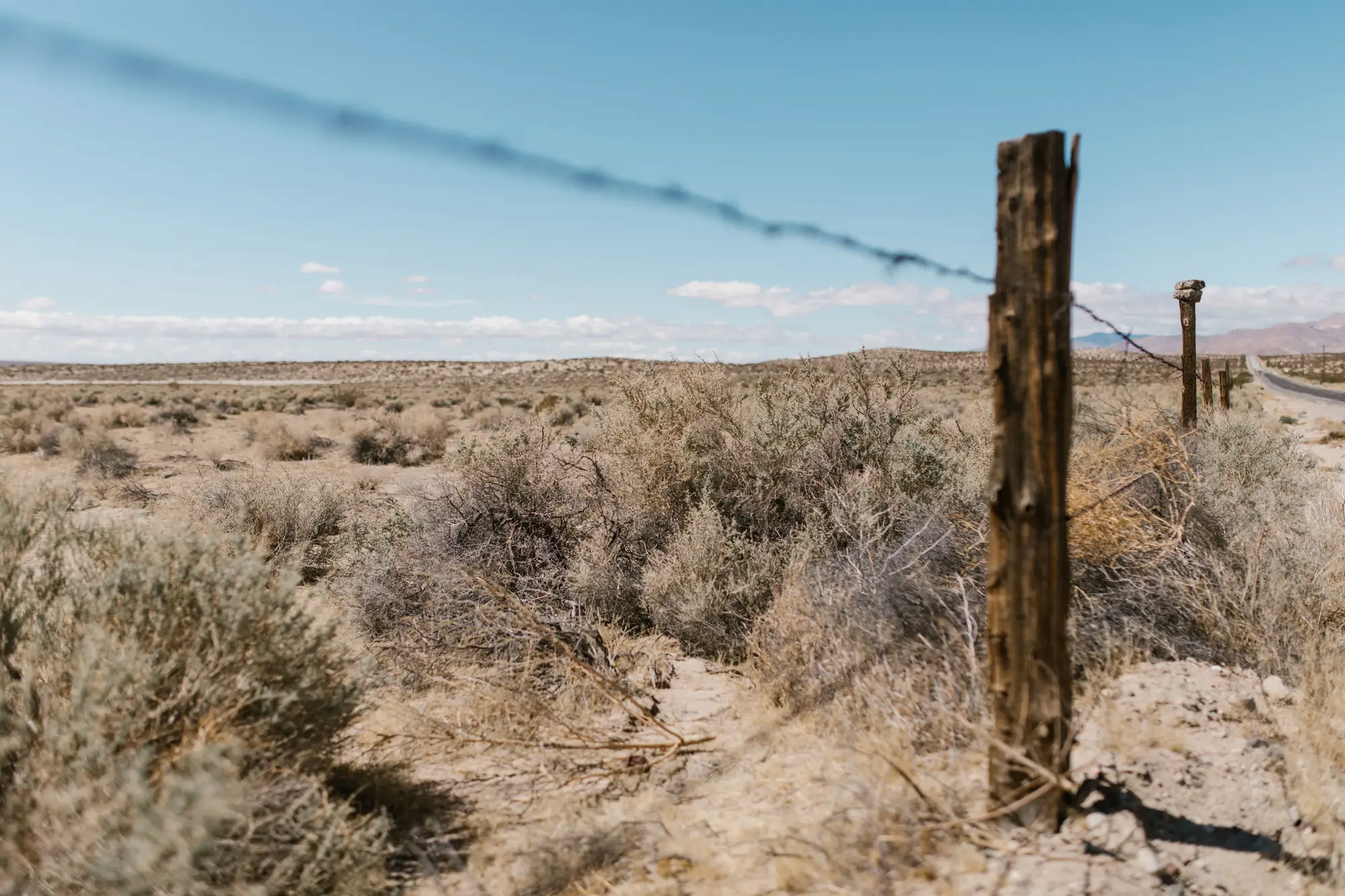 What a demarcation pillar marks, and where it parts ways with the boundary line
Demarcation pillars mark the boundary on the ground, but the legal line between them can drift. Here's what a watch desk needs to know.
- Field notes: the morning the overnight track count didn't match the fence log
A watch-desk field note on the morning imagery showed more tracks than the fence log, and what the gap turned out to be.
 How to brief a patrol team from a daily imagery change log
A practical format for turning a daily imagery change log into a patrol brief: what to lead with, what to cut, and how handover actually works on a watch desk.
- What is sign cutting, and why does a watch desk still need it?
Sign cutting, track reading and drag roads explained for watch-desk analysts, and where daily imagery fits around that ground skill.
- How to tell a cut fence from storm damage in VHR imagery
How to tell a cut fence from storm damage in satellite imagery: the track, debris, and staging patterns that separate a breach from weather.
- Vehicle track vs foot trail: reading track signatures in satellite imagery
How to tell a vehicle track from a foot trail in VHR satellite imagery: width, turning geometry, ground disturbance and what to check next.
- How often should you refresh imagery on a border watch desk?
Daily vs weekly pass cadence for border watch desks, and why linear AOIs need different tasking math than area polygons.
- New crossing point or old desire line? Reading foot traffic in VHR imagery
How a watch desk tells a fresh crossing point from an old desire line in VHR optical imagery, and what signs hold up.
- Optical vs SAR imagery for fence line construction: which one tells you what changed
A watch-desk comparison of optical and SAR imagery for tracking fence line construction, and why cloud cover matters less than resolution.
- What is a staging area in border surveillance imagery?
A staging area is where people or vehicles gather before a crossing attempt. Here's how to spot one in VHR imagery before it becomes a crossing.