Field notes: the week the river moved and the boundary line didn't
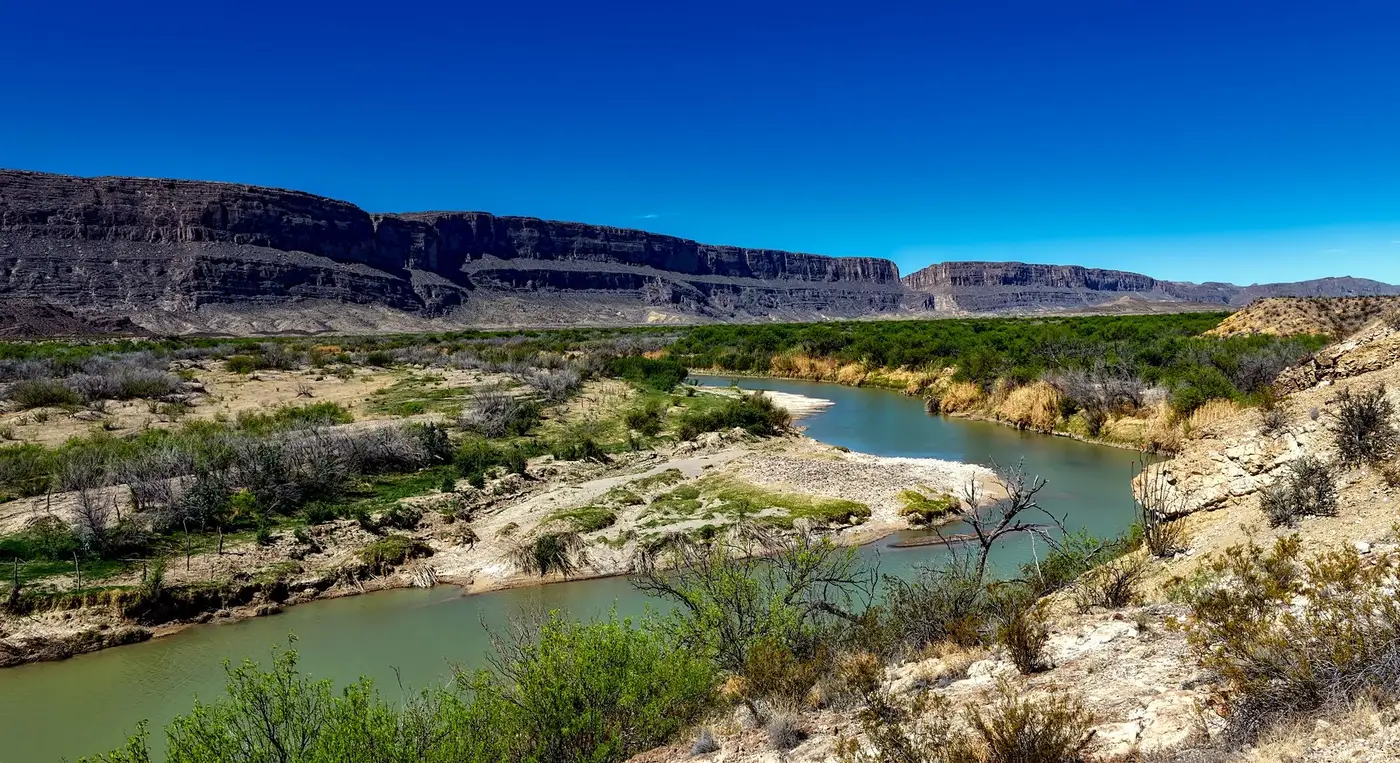
A tributary feeding the main channel cut a new bend sometime over a wet week in late October. Nothing dramatic made the news. No flood warning, no evacuation order, just a slow bank failure on the outside of a curve that had been creeping that direction for a couple of seasons anyway. By the time anyone on a watch desk noticed, the river had already settled into its new line.
This is the kind of event that makes international boundary law genuinely interesting, which is not a sentence you get to write often. Where the boundary runs along a river, the legal line usually tracks the thalweg, the deepest continuous channel, rather than a fixed set of coordinates. That sounds tidy until the river stops cooperating. Rivers erode one bank and deposit on the other, a gradual process called accretion, and the boundary is generally understood to creep along with it. But sometimes a channel abandons its course entirely and cuts a new one overnight or over a season.
That's avulsion. The old rule of thumb, going back to Roman civil law and still cited in border arbitration today, is that an avulsive shift does not move the boundary. The old channel stays the line, even after the water has left it.
Figuring out which happened, slow accretion or sudden avulsion, is the whole dispute in most river boundary commission cases. Nobody argues about the physics once it's settled. They argue about the timeline, because the timeline decides whether a parcel of land quietly changed sovereignty or whether it's still legally on the other side of a channel that's now dry.
That's where a boundary that gets looked at every day, rather than every few years, actually earns its keep. Most of these disputes surface because nobody was watching closely enough to catch the moment of change. A field team or a commission surveyor shows up eighteen months later, finds a new channel and an old scar, and has to reconstruct what happened from soil cores, vegetation lines and whatever imagery happened to exist. That reconstruction is expensive and it's an argument waiting to happen, because both sides can read the same evidence differently when there's no contemporaneous record of the actual week the channel let go.
A daily pull of optical imagery over the stretch in question does something simpler. It doesn't settle the legal question, but it pins the date. If the channel migration shows up as a gradual widening and narrowing across weeks of frames, that's accretion, and nobody has much to argue about. If the old channel is full of water on Tuesday and the new one is running by Thursday, with a visible cutbank scar left behind, that's an avulsion, and it's dated to the day instead of guessed at from a season. For a commission that has to apply the old-channel rule, a dated before-and-after is worth more than a year of field notes written after the fact.
None of this requires anything exotic from the imagery itself. A boundary river rarely moves across its full width in one image refresh. What it does is produce a visible delta from the day before: a new bar deposited, a cutbank advancing, a channel braid opening where there wasn't one last week. That's the kind of change a standing watch over the line is built to catch, which is more or less the whole premise behind a daily console feed that flags what's changed along a defined boundary since yesterday instead of leaving someone to scrub a season's worth of archive tiles by hand after the fact.
The river in question has, for now, settled back into something like a stable bend. Whether it holds through next year's high water is anyone's guess. If it doesn't, the thing worth having on hand isn't an opinion about what the channel used to look like. It's the frame from the day it changed.
If your boundary runs anywhere near moving water, it might be worth putting it on the daily watch before the next channel shift does the arguing for you.