What is a sterile zone in border fencing, and why does a watch desk track it?
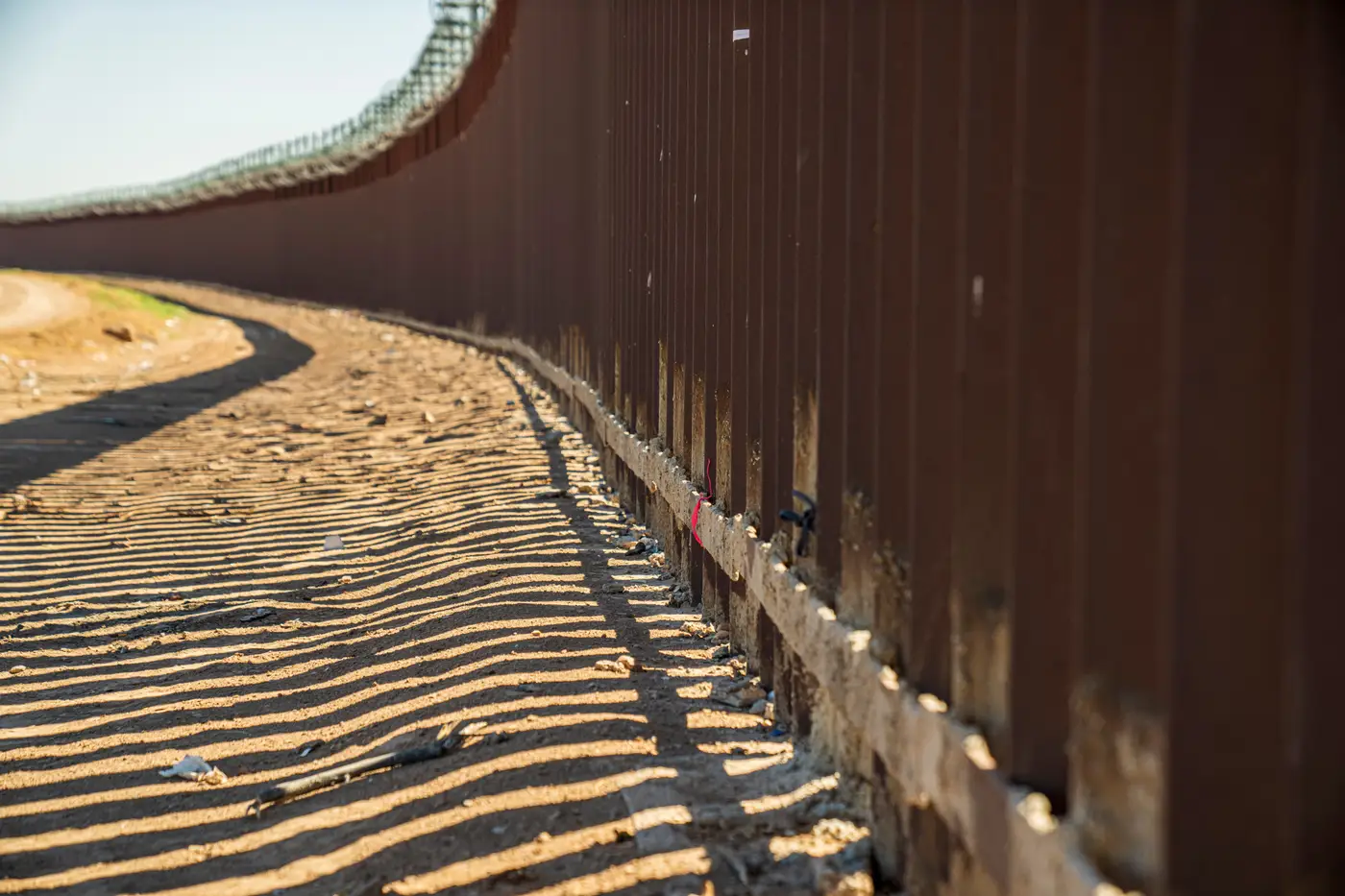
A sterile zone is the cleared strip between two fence lines, or between a fence and a patrol road, that's kept free of vegetation, structures, and clutter on purpose. Some agencies call it an enforcement zone. Older hands still say no-man's land, though that term predates the modern double-fence layout most of these strips sit inside now. Whatever the name on the ops order, the function is the same: a clear sightline so a patrol or a sensor can see a crossing attempt before it reaches the inner fence, and a surface clean enough that footprints, drag marks, or vehicle tracks actually show up.
That's the whole point of keeping it sterile. A strip with grass and brush hides a ladder against the fence or a set of footprints heading north. A graded, mowed, or gravel strip doesn't. Engineers design it that way on purpose, and maintenance crews fight to keep it that way, because vegetation grows back every season and nobody has crews to walk every mile of it with a weed-eater.
What counts as a change inside the zone
Once a strip is established as sterile, anything new in it is worth a second look. On a watch desk, "new" usually falls into a handful of buckets:
- Vegetation creeping back into the clear strip, which cuts sightlines and gives cover
- Vehicle tracks or a drag road appearing where there wasn't one last week
- Staging piles, ladders, or climbing aids left against the fence overnight
- A section of fence fabric cut, bent, or patched since the last pass
- New footpaths crossing the strip at a point that wasn't worn before
- Lighting poles, camera masts, or sensor towers down, moved, or obstructed
None of these is dramatic on its own. A few feet of regrowth or one set of tire tracks doesn't mean much in isolation. What matters to a watch desk is the pattern over days and weeks, and whether the same stretch of zone keeps showing new marks.
Why the zone gets its own watch, separate from the rest of the line
A boundary line is long, and most of it is quiet most of the time. The sterile zone is where the agency has already decided to spend the effort to keep ground clear, which makes it the one stretch where a new mark means something different than it would anywhere else. A footprint in open scrubland a mile off the line could be anything. A footprint in a strip that was graded clean last month is a different kind of signal.
That's also why enforcement zone imagery gets reviewed differently than the rest of a sector. An analyst scrubbing tiles segment by segment is looking for the same handful of things every day: does the clear strip still look clear, is there a new track, is there a gap in the fence that wasn't there yesterday. It's repetitive work, and it's exactly the kind of comparison a daily image feed is built for rather than a one-off pass every few weeks.
For a sector with miles of zone to cover, that daily comparison is the practical difference between catching a cut fence the morning it happens and finding it a week later once the track leading away from it has gone cold. Pulling the previous day's frame against today's, flagged automatically where something's different, turns a full afternoon of tile-by-tile scrubbing into a short review of the stretches that changed. That's the approach behind a daily watch over your own boundary line, covering crossings, staging areas, and fencing changes from VHR imagery without requiring anyone to eyeball the whole sector from scratch each morning.
If your sector has a sterile zone worth watching, it's worth watching every day, not every few weeks.