Field notes: the morning the overnight track count didn't match the fence log
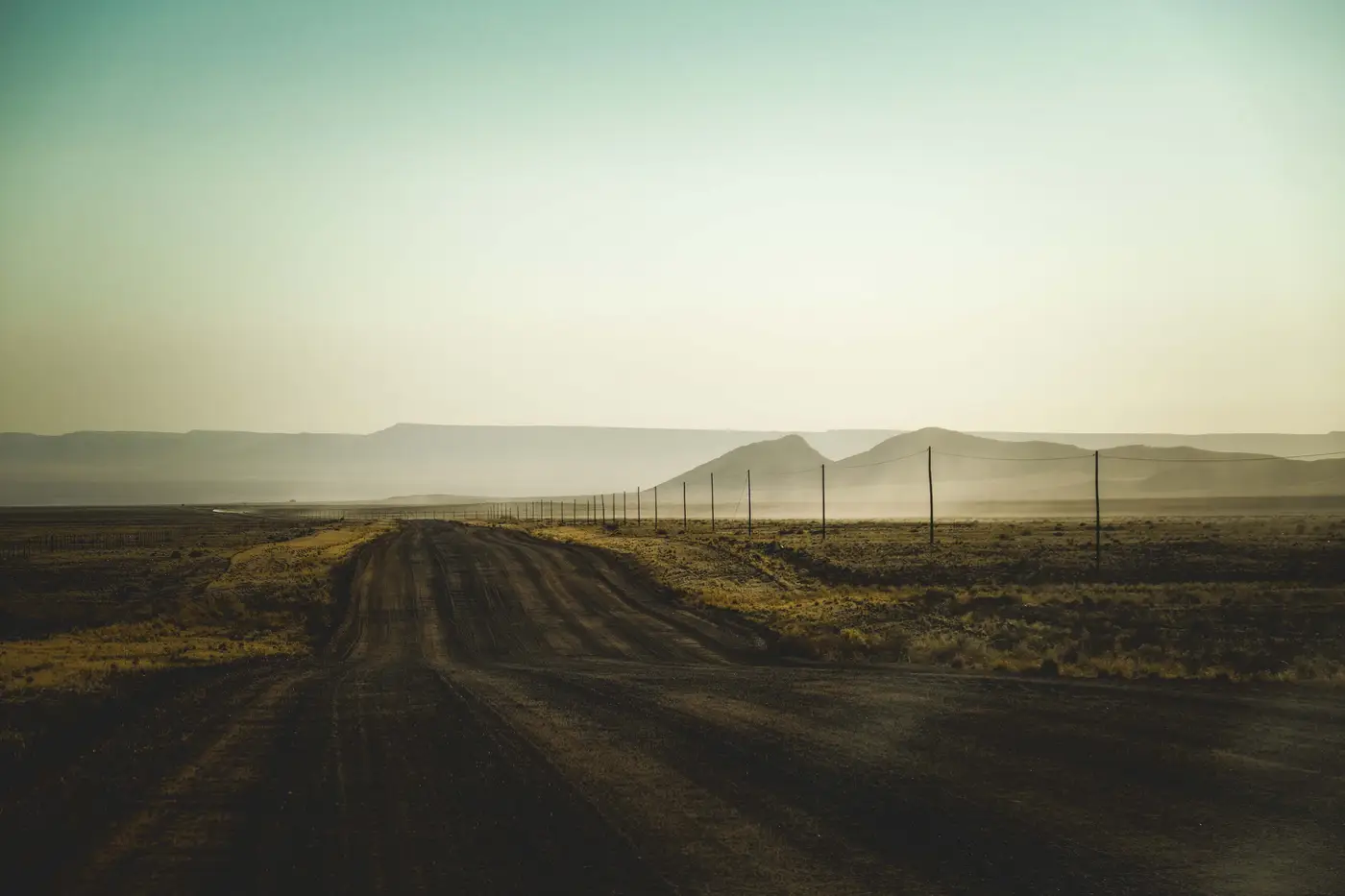
Tuesday's handover note from the night shift said four. Four sensor activations along the eastern segment, logged between 0140 and 0510, each one matched to a patrol response. Standard night. I pulled the morning tile anyway, because that's the job, and counted seven distinct foot tracks crossing the same stretch of fence line.
Seven and four is a gap worth chasing down on its own. It sent me back through the log a second time, sure I'd missed something somewhere. I hadn't.
The first instinct on a watch desk is to distrust the imagery. Shadows at low sun angle can read as disturbed soil, and a coyote run can look like a human track to someone who hasn't walked that segment in person. So I went frame by frame, cross-referencing against the previous morning's pass to strip out anything that was already there.
Five of the seven tracks were new. Two were old disturbance I'd mislabeled a day earlier and should have cleared off the count myself. That one's on me, not the sensors.
Five new tracks, four sensor hits. Still a gap of one.
The fence log shows exactly what the sensors are built to catch: movement through or over the line itself. The fifth track stopped about eleven meters shy of the fence and turned back toward a wash that's been used as a staging point before. No crossing, no sensor trip, no line item in the night log. But a track on the ground, fresh, pointed at the fence and then away from it.
That's the piece that's easy to lose if you only ever read the sensor feed as the record of the night. The sensor log tells you what crossed. It doesn't tell you what approached, reconsidered, or waited. A staging track a few meters short of the line is exactly the kind of thing that turns into a crossing two or three nights later, after whoever left it has had a look at patrol timing. If you're only counting confirmed crossings, you miss the lead time.
I've started treating any day with a track-to-sensor mismatch as worth a second look at the fence itself, not just the ground around it. On this particular morning there was also a short section, maybe six meters, where the mesh had been pulled from its base post and not yet repaired. Nothing in the log flagged it because nothing had gone through it that night. But it's the kind of detail that explains why a crossing shows up at that exact point three days later instead of somewhere else along six kilometers of line.
A mislabeled frame, a staging track, a loose section of mesh. Taken alone, none of it would have made the shift report. The sensor log answered one question, what crossed the line, and answered it correctly. It just wasn't the only question that morning needed answering. The mesh got flagged for repair before lunch, and the wash went on the watch list for the next three nights. That's the whole write-up.
Scrubbing yesterday's tile against today's while holding the fence condition in your head is slow work when you're doing it by hand, segment by segment. Border Monitoring runs that same before-and-after comparison as a standing daily feed, so the staging track and the loose mesh show up on the console instead of waiting for someone to notice the count was off.
If your morning count has ever come up short against the log, it's worth seeing what a daily changed-since-yesterday feed would have caught instead.