What is sign cutting, and why does a watch desk still need it?
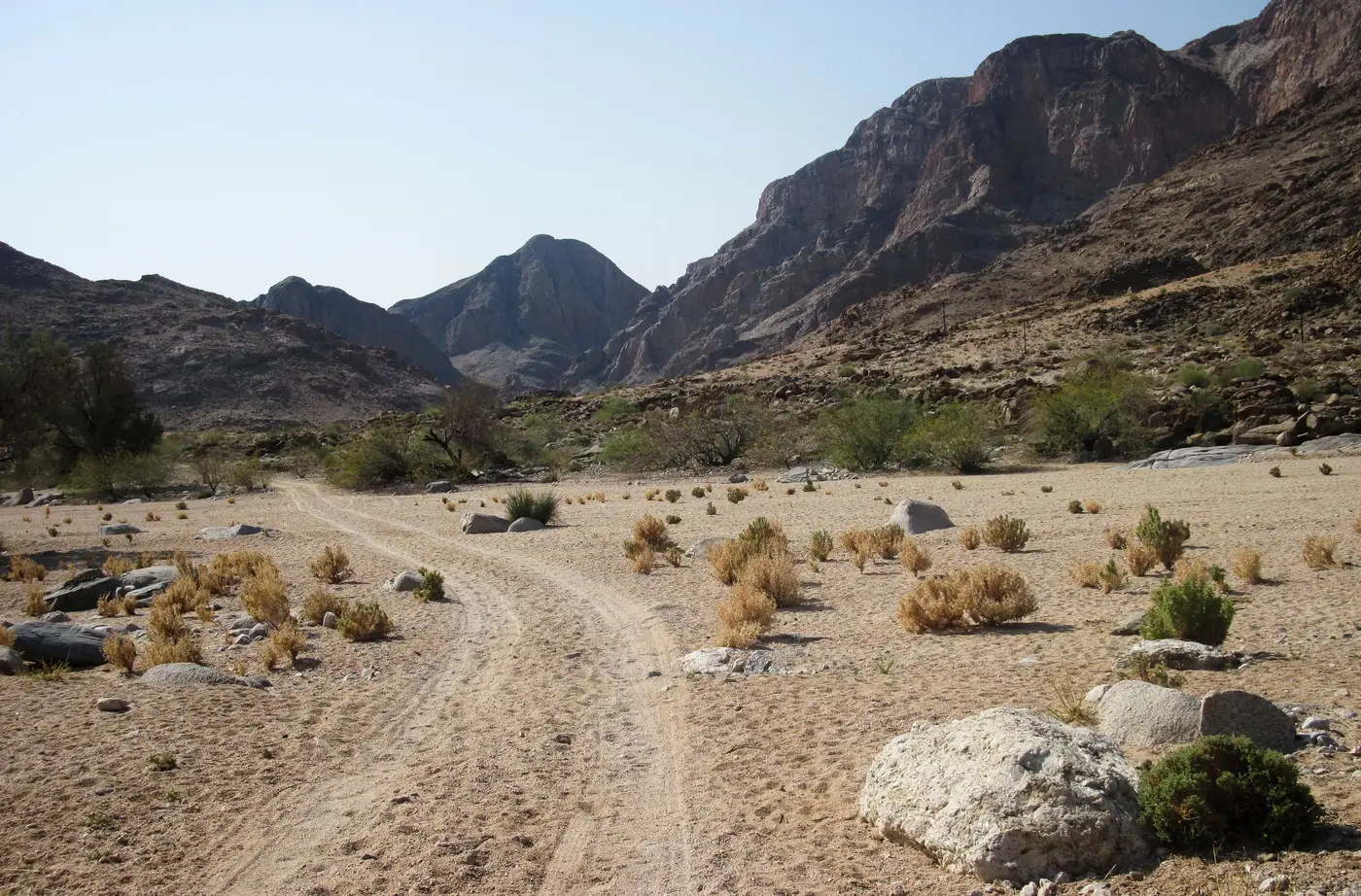
Sign cutting is the old patrol-agent skill of reading the ground for evidence that someone crossed it. A disturbed rock, a bent blade of grass, a boot print half-filled with blown sand. Agents who cut sign for a living can tell you how many people walked a trail, which direction they were headed, how long ago, and sometimes whether they were carrying weight. None of that comes from a screen. It comes from crouching on a trail at first light and reading what the ground is telling you.
If you run a watch desk, you already know this skill isn't going anywhere. The question is where it fits next to everything else on your plate: imagery tiles, sensor pings, patrol logs, radio traffic. This post is about the vocabulary, not a pitch for replacing trackers with pixels.
Track reading and drag roads, in plain terms
Track reading is the broader discipline sign cutting sits inside. A good track reader looks at a footprint and reads age (how crisp the edges are, whether dew or frost has settled in it), direction of travel, stride length, and group size. Multiply that by a dozen sets of prints crossing a wash and you get a story: six people, moving fast, maybe two hours old.
A drag road is how agencies make that reading easier across long stretches of line. Tires lashed to a vehicle smooth a strip of soil into a blank slate, usually running parallel to the boundary. Anyone who crosses the drag leaves a fresh print on ground that had nothing on it an hour before. Agents work the drag on a rotation, checking it the way a rancher checks a fence line. A clean drag means nobody's crossed since the last pass. A print means somebody has, and the drag tells you roughly when.
Footprint detection, in the sign-cutting sense, means spotting that print against bare soil or snow and reading it before wind, rain, or the next patrol truck erases it. That's the perishable part of sign. It doesn't wait for your shift to end.
Where a daily image feed fits, and where it doesn't
A satellite pass can't crouch on a trail at first light, and a 0.3 m pixel won't resolve a single boot print or tell you whether a print is four hours old or forty-eight. What it can do is sit above the whole line every day and flag a new vehicle trail cutting across open ground, a staging area that wasn't there last week, or a stretch of fence with a fresh gap in it. That's a different kind of sign, cut from orbit instead of on foot, and it's the kind that shows up on terrain your patrols haven't walked yet or haven't walked in a while.
The two don't compete. A drag road and a tracker's eye catch what happened in the last few hours on ground someone is actively working. A daily image pass catches what happened anywhere along miles of line, including the stretches nobody drove that week, and hands your desk a shorter list of places worth sending a patrol to go cut sign on. Border Monitoring is built around that second job: a daily console feed of new crossings, tracks, fencing changes, and staging areas along a defined boundary, so the desk isn't scrubbing archive tiles segment by segment to find what moved.
The short version
Sign cutting is ground truth, read by a trained eye, and it's perishable. Imagery is a standing watch over the whole line, refreshed once a day, and it tells you where to point the ground skill next. A watch desk that treats them as the same thing is going to be disappointed by one of them. A desk that treats them as two tools covering different ground gets more out of both.
If your desk is still paging through archive tiles to catch what changed overnight, it's worth seeing what a daily feed looks like against your own stretch of line.