Field notes: the dust storm that erased three weeks of fence-line photos
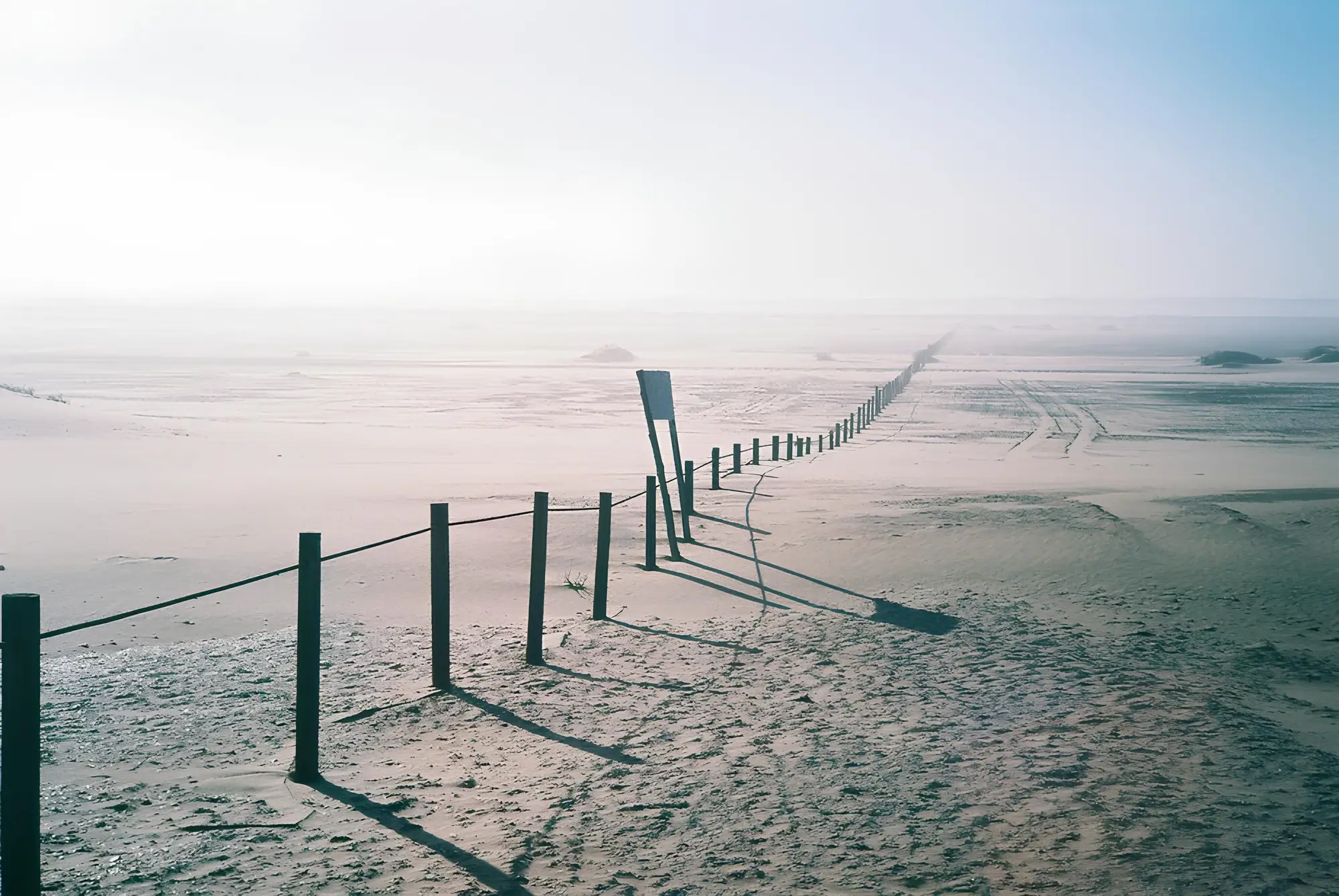
Late September, the haboob season along the southern stretch ran longer than usual. Three storms inside eleven days, the last one sitting over the corridor for nearly a week before it thinned enough to see ground again. Every pass we tasked came back the same way: a flat beige wash, fence line barely a suggestion under it, vehicle tracks nowhere to be found. We had a gap in the record from roughly the 14th through the 5th of the following month, and that gap sat right over a segment where staging activity had been picking up for a month prior.
This is the part nobody puts in the training slides. You can have a tasking schedule that's tight, a sensor that's reliable, and a desk that checks the feed every morning, and the desert still wins some weeks. Dust doesn't care about your cadence.
What we actually did with that gap is worth writing down, because it's the kind of thing you only learn by living through it once.
Don't throw out the bracket shots. The frames right before the storm and right after it are doing double duty now. They're not just "before" and "after," they're the only evidence you have for anything that happened in between. We went back to the pre-storm pass and marked every vehicle, every disturbed patch of ground, every spot where the fence had a maintenance crew working on it, because those became the baseline we'd compare against once clear imagery came back. Skip that step and the gap swallows more than three weeks, it swallows your ability to say what changed.
The first clear pass after a long gap reads differently than a normal day's delta. Three weeks of accumulated change hits you all at once instead of trickling in day over day. New tire tracks that could be from day one of the gap or day nineteen. A section of fence with fresh cut marks and no way to know if it happened during week one or week three.
We ended up treating that first post-storm image less like a daily update and more like a mini survey, walking the whole segment grid by grid instead of just scanning for obvious new activity. Took most of a shift. Normally that segment's a twenty-minute check.
Backfill request logs matter more than people think. We'd tasked three extra passes during the dust window, hoping for a sucker hole, a thin patch where the sensor could punch through. Got one marginal frame on day nine that was borderline usable at the edges, enough to confirm the fence hadn't been breached in that one corner, not much else. Having that frame in the log, even a mediocre one, meant we could tell the shift supervisor there was partial coverage for part of the gap instead of nothing at all. Thin evidence beats no evidence when someone upstream is asking what you know.
The storm didn't change how we work long term. It reminded us that the real risk in this job isn't missing a single day's crossing. It's a multi-week blind spot landing right where staging activity was already trending up, and not having a clean record of what the ground looked like going in and coming out the other side. A console that flags what's new against yesterday's frame is only as good as yesterday's frame existing. When it doesn't, you fall back on bracketing, patience, and a willingness to spend a whole shift walking a grid you'd normally clear in minutes.
If your desk runs this corridor too, Border Monitoring's daily feed is built around exactly that bracket-and-compare habit, catching the segment-by-segment changes before a storm or anything else turns three weeks into a guessing game. Worth a look if your watch rotation has had its own dust season.